
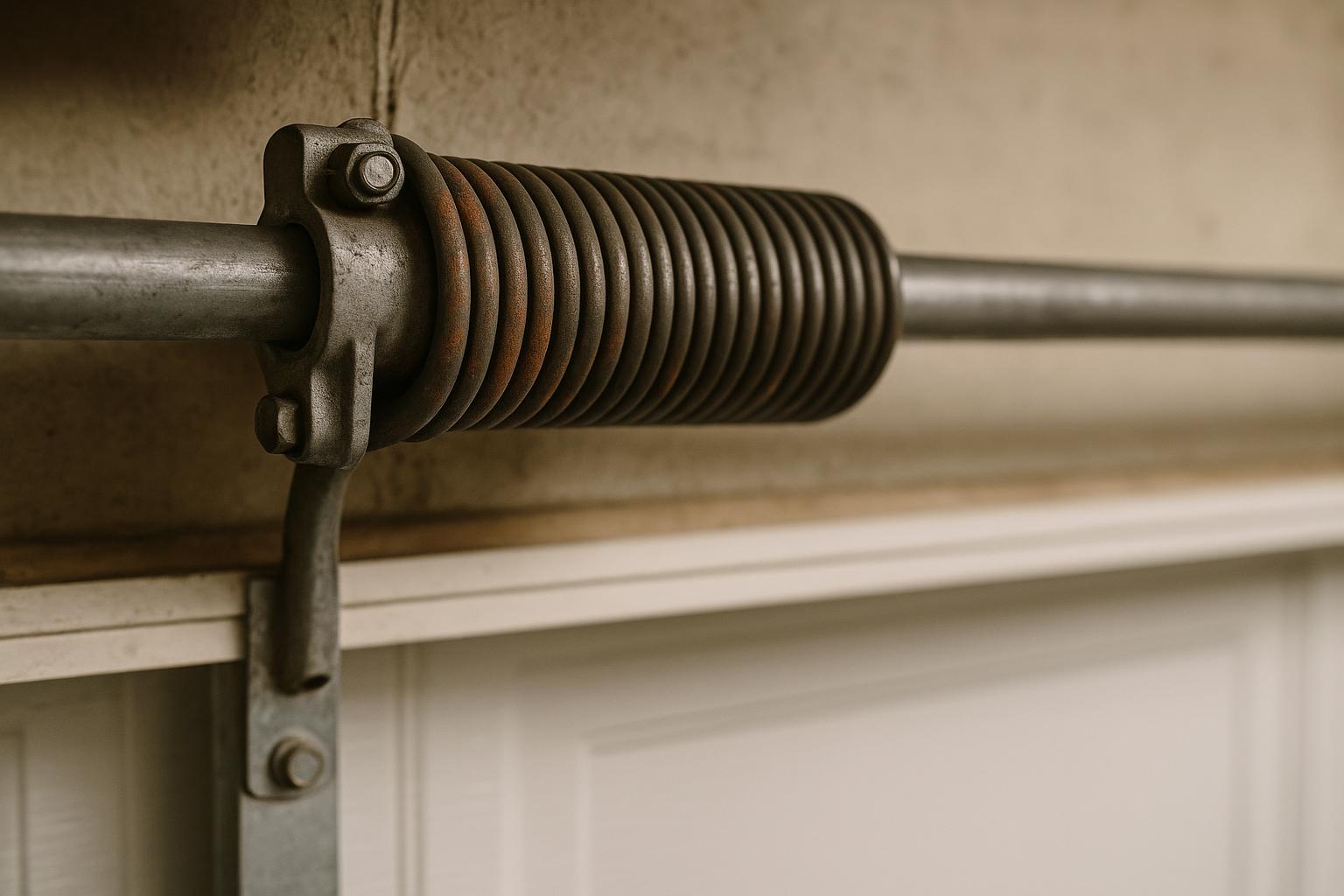
Your Garage Door Springs Are Trying to Tell You Something
If you've ever had a garage door spring break, you know it's not subtle. The loud bang, the door that suddenly won't open, the panic of wondering how much this is going to cost — it's one of the most common emergency calls we get here at Sumter Garage Door Co.
But here's the thing most homeowners in Sumter don't realize: garage door springs almost never break without warning. There are clear signs that your springs are wearing out, and catching them early can save you money, prevent damage to your door system, and keep your family safe.
Let's walk through exactly what to watch for so you're never caught off guard.
What Do Garage Door Springs Actually Do?
Before we get into the warning signs, it helps to understand why springs matter so much. Your garage door is heavy — most residential doors weigh between 130 and 350 pounds. The springs do the heavy lifting, literally. They counterbalance the weight of the door so your opener doesn't have to muscle it up and down on its own.
There are two main types of springs:
- Torsion springs — mounted on a metal shaft above the door opening. These are the most common type on modern garage doors.
- Extension springs — mounted along the horizontal tracks on either side of the door. These are more common on older systems.
Both types are under extreme tension, which is why spring replacement should always be handled by a professional. A spring under tension can cause serious injury if it's not handled properly.
How Long Do Garage Door Springs Last?
Most standard garage door springs are rated for about 10,000 cycles. One cycle equals one full open and one full close. If you open and close your garage door four times a day, that works out to roughly seven years of use.
Of course, that lifespan depends on several factors, including the quality of the springs, the weight of your door, and the climate. Here in Sumter, our humidity and temperature swings can contribute to corrosion and metal fatigue over time, which may shorten spring life if they're not properly maintained.
7 Warning Signs Your Springs Are Wearing Out
1. The Door Feels Heavier Than Usual
Try this simple test: disconnect your garage door opener by pulling the emergency release handle, then manually lift the door about halfway. A properly balanced door should stay in place on its own. If it feels unusually heavy or slides back down, your springs are losing tension and struggling to support the door's weight.
2. The Door Opens Slowly or Unevenly
If your garage door hesitates when opening, moves slower than it used to, or rises crookedly with one side higher than the other, worn springs are a likely culprit. Uneven movement is especially common when one spring is more worn than the other.
3. Visible Gaps in the Spring Coils
Take a look at your torsion spring above the door. A healthy spring has tightly wound coils with uniform spacing. If you notice a visible gap or separation in the coils, the spring is stretched and nearing the end of its life. This is one of the most reliable visual indicators that failure is imminent.
4. The Door Slams Shut Instead of Closing Smoothly
When springs are functioning properly, they control the speed of the door as it closes. If your door drops quickly or slams the last foot or two, the springs aren't providing enough counterbalance. This puts extra stress on your opener, tracks, and the door panels themselves.
5. You Hear Squeaking or Grinding Noises
Some noise is normal, but excessive squeaking, popping, or grinding sounds when the door moves can indicate that the springs are corroded, dry, or deformed. Rust is a spring's worst enemy — it increases friction and weakens the metal, accelerating wear.
6. Your Opener Is Straining
Pay attention to your garage door opener. If it sounds like it's working harder than usual, vibrating more, or occasionally failing to fully open the door, it may be compensating for weak springs. Running your opener under this extra load will shorten its lifespan too, turning one repair into two.
7. The Springs Are Visibly Rusted or Corroded
Rust doesn't just look bad — it actively weakens the spring metal and creates rough spots that increase stress during each cycle. If your springs have significant rust, especially in Sumter's humid climate, they're more likely to snap without much additional warning.
What to Do If You Notice These Signs
If any of the warning signs above sound familiar, here's what we recommend:
- Stop using the door if it feels unsafe. If the door is slamming, moving unevenly, or your opener is struggling badly, minimize use until a technician can inspect it.
- Don't attempt a DIY spring replacement. We can't stress this enough. Garage door springs are under hundreds of pounds of tension. Improper handling can lead to serious injury or death. This is a job for trained professionals with the right tools.
- Call for an inspection. A qualified technician can measure spring tension, check for wear and corrosion, and tell you exactly how much life is left in your springs.
At Sumter Garage Door Co, we see spring-related calls every week from homeowners across Sumter, Dalzell, Shaw AFB, and the surrounding areas. In most cases, the signs were there for weeks or even months before the spring finally gave out. A quick inspection could have prevented the emergency.
Should You Replace Both Springs at Once?
If your garage door has two torsion springs and one breaks, we strongly recommend replacing both at the same time. Here's why:
- Both springs were installed at the same time, so they have roughly the same amount of wear.
- If one has failed, the other is likely close behind.
- Replacing both at once saves you the cost of a second service call in the near future.
- It ensures your door stays balanced, which protects your opener and tracks.
This is one of those situations where spending a little more now saves you significantly more down the road.
Extending the Life of Your Garage Door Springs
While springs won't last forever, you can get the most out of them with a few simple practices:
- Lubricate your springs two to three times a year with a silicone-based garage door lubricant. This reduces friction and helps prevent rust.
- Schedule annual maintenance so a technician can check spring tension, balance, and overall condition.
- Address small problems early. Strange noises, slow operation, and uneven movement are all worth investigating before they become bigger issues.
Don't Wait for the Bang
A broken garage door spring is inconvenient at best and dangerous at worst. The good news is that the warning signs are easy to spot once you know what to look for. If your garage door springs are showing their age, give Sumter Garage Door Co a call. We serve homeowners and businesses throughout Sumter and the surrounding communities, and we're happy to come out, inspect your springs, and give you an honest assessment of where things stand.
Catching a worn spring before it breaks is one of the smartest things you can do for your garage door system — and your peace of mind.